
© 2026 ResonateTesting Ltd.
Engineer-led testing for space and New Space programmes. We support qualification, acceptance, reliability checks, and mission readiness. This includes TVAC, vibration, SRS shock, and environmental test campaigns to support ESA, NASA, SpaceX, and other launch-provider requirements.
Space hardware must survive launch, operate through demanding mission environments and provide evidence that satisfies customer, programme and standards-based requirements. Resonate Testing supports teams from early development through qualification and acceptance testing.
Resonate provides thermal vacuum testing services for New Space, aerospace and advanced engineering programmes. Our thermal vacuum testing capability supports the qualification and verification of space hardware through controlled environmental testing. Combined with vibration and shock testing services, Resonate provides a single-source solution for space hardware testing. This helps reduce handling risks and keeps test conditions consistent throughout development.
Ready to plan your shock testing campaign? Send your requirement, SRS profile, specification or drawings for engineer review and receive guidance on fixturing, instrumentation, pulse setup and programme readiness.
Space programmes rarely begin with a perfect specification. Whether you are validating an engineering model, preparing for qualification, planning acceptance testing or assessing mission readiness, an early engineering review can help identify the most practical route through TVAC, vibration, shock and environmental testing.
Share your hardware description, drawings, mass properties, expected environments, standards, customer requirements, fixture assumptions, instrumentation needs and programme objectives. Resonate Testing can review setup, monitoring and reporting expectations before quotation.
Space-sector testing is rarely defined by a single standard. Most programmes develop their test profiles from mission objectives, customer specifications, spacecraft requirements and recognised industry guidance. Depending on the programme, requirements may reference ECSS, NASA, ESA, SpaceX, other launch-provider or customer-specific documentation.
The objective is not simply to run a test. The objective is to generate evidence that is relevant to the hardware, mission environment and acceptance process. Temperature limits, vacuum level, vibration profile, shock spectrum, cycle count, dwell periods, functional monitoring and reporting requirements should be reviewed against the programme specification before testing begins.
Standards and guidance documents help define environmental limits, test severity, cleanliness controls, mounting conditions, monitoring expectations, reporting structure and evidence required for qualification or acceptance activities.
Early review of applicable standards can reduce rework, improve traceability and help ensure the resulting test evidence aligns with stakeholder expectations.
Resonate Testing provides engineer-led test services for space hardware, aerospace systems, electronics, batteries and mission-critical assemblies across the UK and Ireland. Our space testing capability is typically delivered through three core groups of testing, tailored to programme requirements and agreed specifications.
Environmental testing evaluates how hardware performs when exposed to the conditions encountered during storage, transport, launch and operation. Services can include thermal vacuum testing, environmental exposure programmes and other assessments designed to verify performance, reliability and durability in representative environments.
Dynamic and mechanical testing assesses a product’s ability to withstand the physical stresses experienced throughout its lifecycle. This includes vibration testing, mechanical shock testing and Shock Response Spectrum (SRS) testing to simulate launch loads, transportation events and other dynamic conditions that could affect mission success.
Qualification, validation and compliance testing supports the verification of satellites, launcher hardware, payloads, avionics, electronic assemblies and mechanical structures against defined requirements. Test programmes can be planned to recognised industry standards, customer-specific profiles and mission environments, helping to demonstrate readiness and compliance throughout development and deployment.
>> NASA Thermal Vacuum Reference
>> ECSS Product Assurance Standards
>> SpaceX
Successful space testing requires more than achieving a target condition. Monitoring and verification may include control sensors, response accelerometers, thermocouples, pressure data, customer telemetry, electrical interfaces, functional checks, pre-test inspection and post-test observations. Limits, tolerances, dwell points, abort criteria, and mounting conditions should be reviewed before the campaign begins.
For space hardware and high-value equipment, the fixture and mounting approach are central to the quality of the test. Interface drawings, mass properties, centre of gravity, orientation, cable routing, thermal interfaces and instrumentation access should be reviewed early so the item can be mounted safely and exposed as intended. For New Space customers in particular, successful testing depends on more than simply securing lab time. Early engagement helps identify fixture needs, profile interpretation, instrumentation requirements and practical risks before the test campaign starts.
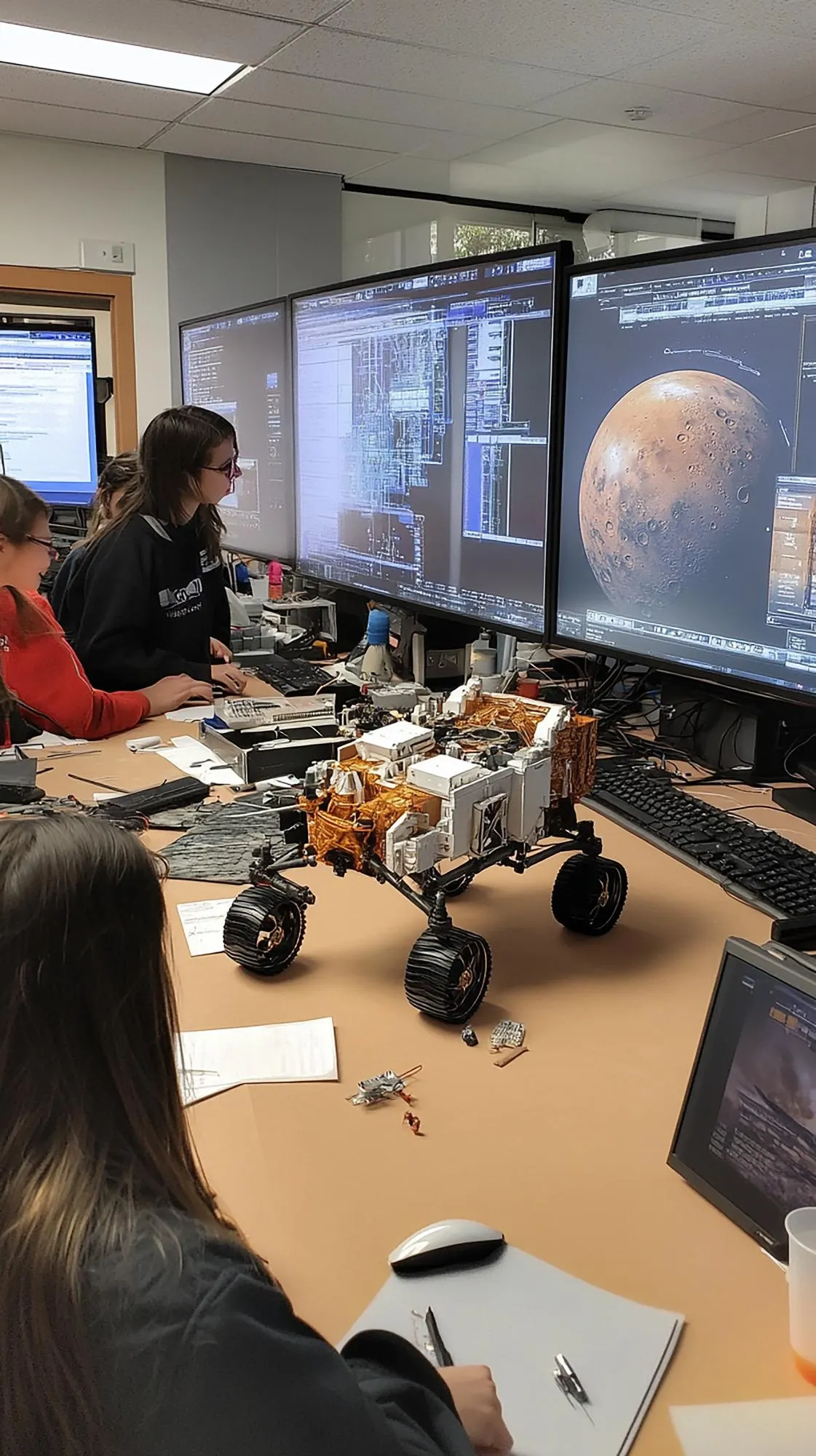
Space hardware often needs more than one environmental test. Coordinating TVAC, vibration and shock within one campaign, at one test location, helps reduce handover friction, align fixtures and documentation, and keep the engineering team connected across the full programme. For projects that also need mechanical environmental testing, review the related vibration and shock services before finalising the campaign sequence.
The required tests depend on the hardware, mission and customer specification. Common activities include thermal vacuum, vibration, shock or SRS testing, environmental exposure, functional checks and agreed reporting.
Testing helps show whether hardware can tolerate agreed launch, transport, storage, operational or space-like environmental conditions and provides evidence for development, qualification, acceptance or reliability decisions.
The duration depends on the required tests, profile severity, fixture needs, instrumentation, dwell times, functional checks, reporting requirements and laboratory schedule.
Yes, if it is part of the agreed plan. Power, signal, telemetry and functional checks should be reviewed before testing so the correct interfaces and safety controls are in place.
Provide drawings, dimensions, mass, fixture assumptions, standards, test profiles, environmental limits, instrumentation needs, functional checks and any safety, cleanliness or contamination concerns.
Typical outputs may include achieved test data, plots, observations, photographic evidence where agreed, completed functional checks and an agreed report or data pack.
Outgassing, contamination and bakeout needs should be reviewed before quotation. The available or planned approach should be confirmed before it is committed.
Book testing for satellites, launcher hardware, payloads, electronics and space hardware. Use the contact route to share the requirement, drawings, specification, test profile or standards, including SpaceX or other launch-provider requirements, for review.
Whether you’re looking to contact us for the first time or have another testing requirement, we’d love to hear from you.


