
© 2026 ResonateTesting Ltd.
What Aerospace Engineers Need to Know About Hose Fire Resistance Testing
Fast, Flexible & Accessible, Your Test Facilitator, not simply a Test facility
Fire-resistant hose assemblies are a critical component within aircraft fuel, lubrication and hydraulic systems. In designated fire zones, these assemblies must continue to function when exposed to direct flame and vibration long enough to maintain aircraft safety and system integrity.
Two documents frequently referenced when discussing aerospace hose fire testing are FAA Fire Test Handbook Chapter 11 and SAE AIR1377. While originating from different organisations, a detailed review reveals significant commonality between the two documents. The FAA document largely builds upon the test philosophy, apparatus and calibration methodology described within AIR1377, while adding certification-focused requirements and regulatory context.
Aircraft systems rely on flexible hose assemblies to transport fuel, oil, hydraulic fluids and pneumatic media throughout the airframe and propulsion system.
A hose failure during a fire event can result in:
The objective of fire resistance testing is therefore straightforward. Manufacturers must demonstrate that a hose assembly can continue to perform its intended function when subjected to a severe fire environment combined with mechanical vibration representative of aircraft operation.
Although FAA Chapter 11 and AIR1377 are structured differently, both documents share the same fundamental objectives:
The result is a testing methodology capable of generating meaningful performance data for certification, qualification and product development programmes.

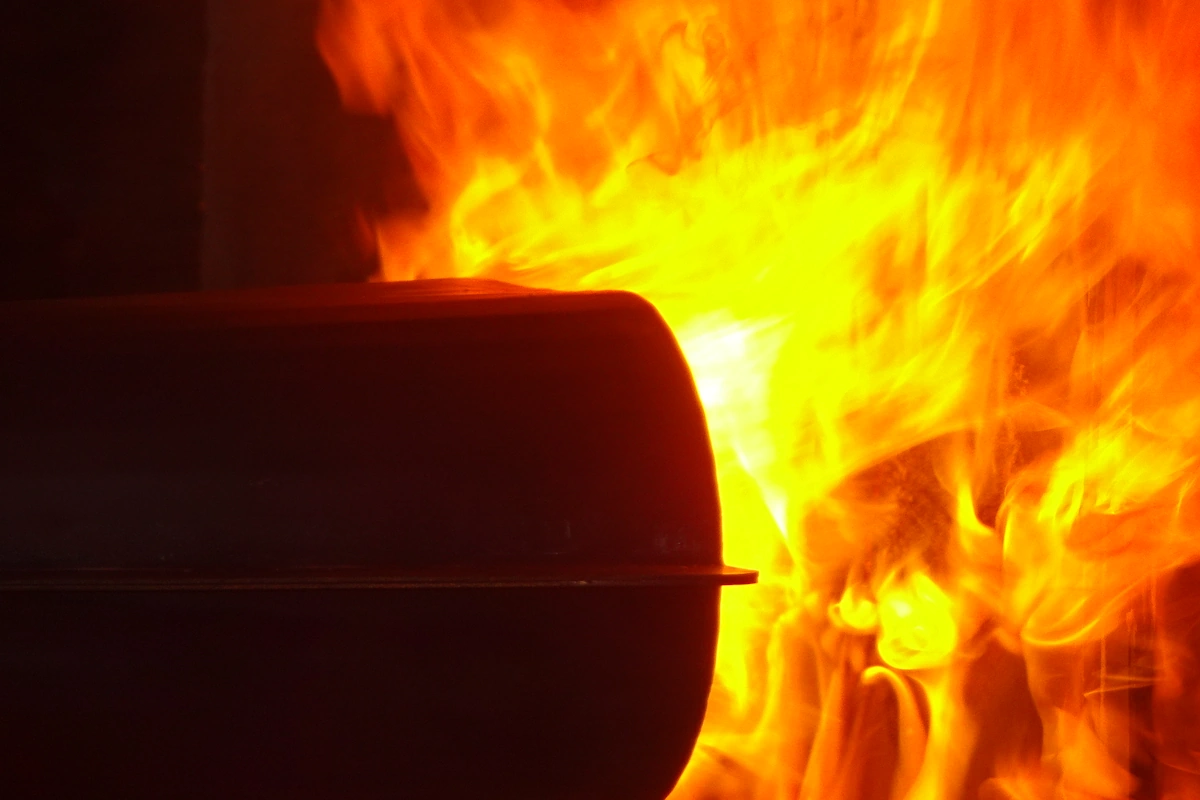
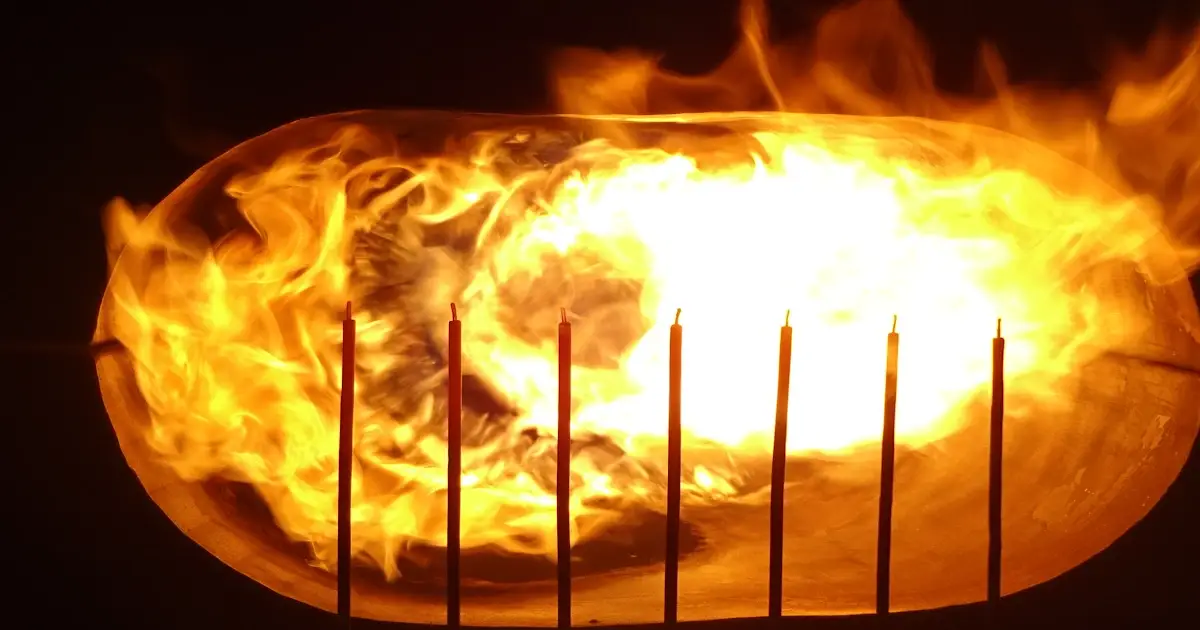
One of the clearest areas of alignment is the burner system.
Both documents utilise modified oil-fired burner arrangements capable of producing flame temperatures of approximately:
2000°F ±150°F (1090°C ±85°C)
The burner configuration, flame measurement location and burner calibration methodology are effectively identical throughout both documents. Flame temperature is measured at a specified position relative to the burner extension to ensure consistency between facilities.
This consistency is important because fire testing is only meaningful when the thermal severity is tightly controlled.
Fire alone does not represent actual aircraft operating conditions.
For this reason, both methodologies require the hose assembly to be subjected to vibration throughout the fire exposure period.
Typical requirements include:
The combined thermal and mechanical loading provides a more realistic assessment of hose performance than flame exposure alone.
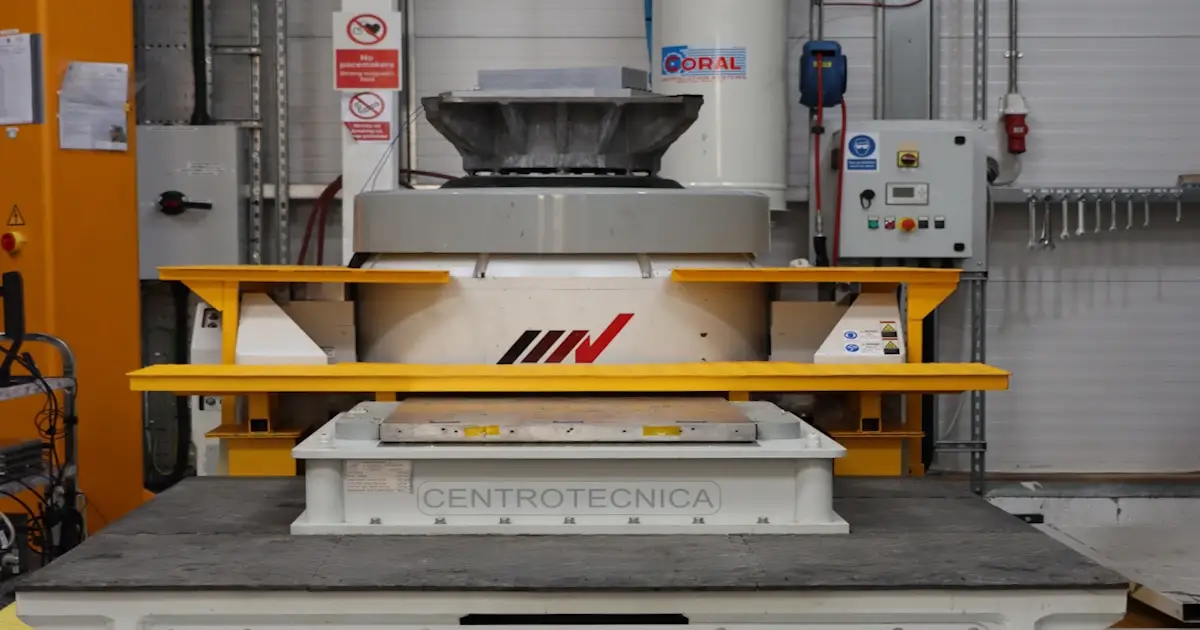
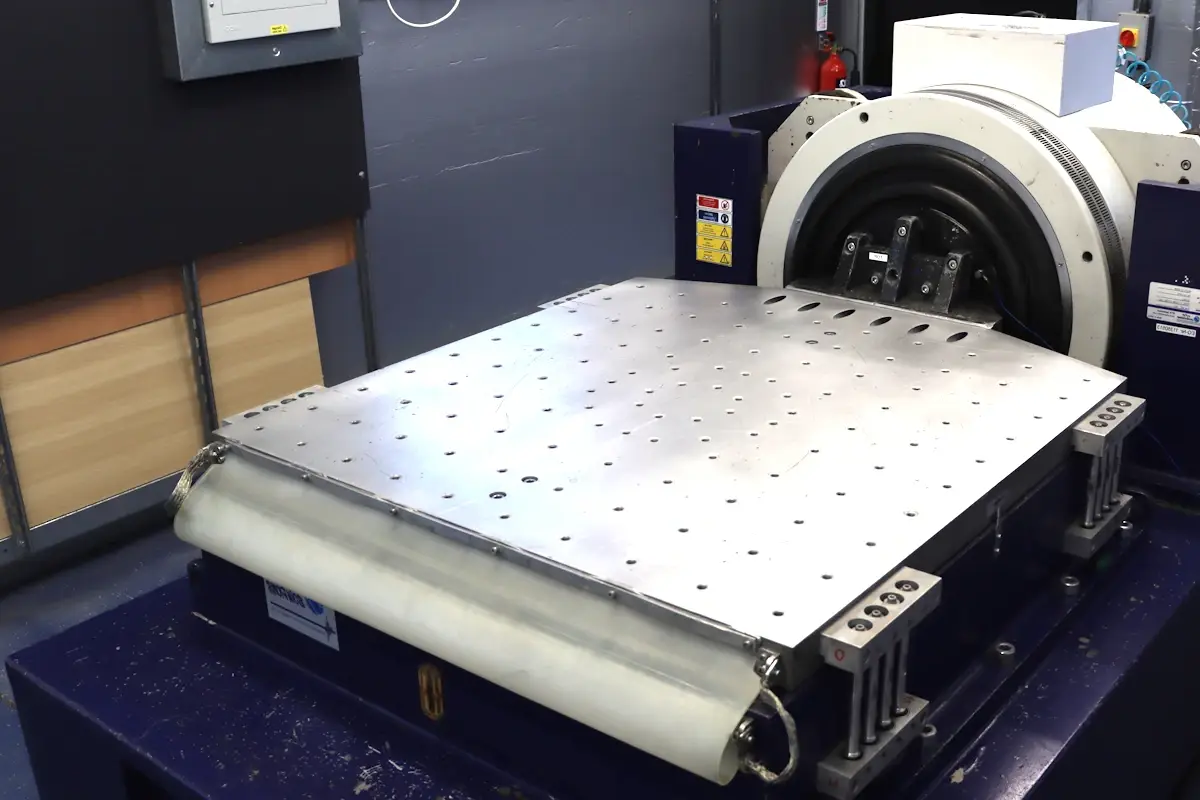


Both documents specify controlled airflow conditions surrounding the specimen.
The test setup incorporates:
These controls help maintain repeatable flame behaviour and ensure comparable thermal exposure between tests and laboratories.
Accurate measurement is fundamental to any certification test programme.
FAA Chapter 11 and AIR1377 both require:
The thermocouple arrangement is designed to verify that the required thermal environment exists across both the hose section and the associated end fittings.


Perhaps the strongest similarity between the two documents is the calibration process.
Both require:
These requirements exist to ensure that a burner at one laboratory produces the same effective thermal severity as a burner at another laboratory. Without this level of control, meaningful comparison of test results would be difficult.
Resonate testing provides high quality fire, mechanical, and environmental test solutions and certification services across a wide range of industrial sectors. From Primes to SME’s, Resonate Testing provides a bespoke and tailored service to our clients.
While AIR1377 focuses heavily on apparatus and methodology, FAA Chapter 11 introduces additional regulatory and certification-oriented content.
FAA Chapter 11 explicitly defines:
These definitions align the test methodology with broader FAA certification requirements.
FAA Chapter 11 introduces recognised hose classifications:
Class A Hose
Class B Hose
These classifications provide a standard framework for evaluating hose performance in aircraft applications.
FAA Chapter 11 also provides explicit guidance regarding:
The document specifies that if a firesleeve is required for successful performance during testing, that same protective configuration must be incorporated in service.
For aerospace manufacturers, the practical distinction between the two documents is often smaller than expected.
The underlying test equipment requirements remain substantially aligned:
The principal difference is that FAA Chapter 11 places these technical requirements within a certification framework that supports compliance activities associated with FAA approval programmes.
When planning a hose fire qualification programme, engineers should consider:
Testing should reflect the final installation configuration wherever possible.
If thermal protection is required to achieve compliance, it should be incorporated into the qualification programme from the outset.
Understanding whether the objective is development testing, qualification testing or certification testing will influence programme structure and documentation requirements.
Facilities should demonstrate competence in:
Resonate testing provides high quality fire, mechanical, and environmental test solutions and certification services across a wide range of industrial sectors. From Primes to SME’s, Resonate Testing provides a bespoke and tailored service to our clients.
FAA Chapter 11 and SAE AIR1377 are closely related methodologies that share a common technical foundation for aerospace hose fire resistance testing.
Both documents specify highly similar burner systems, vibration conditions, airflow requirements, instrumentation arrangements and calibration procedures. The FAA document extends the methodology by introducing certification-focused definitions, hose classifications and specimen requirements that support regulatory compliance activities.
For aerospace manufacturers, understanding both documents enables more effective test planning, improved certification readiness and greater confidence in hose assembly performance within designated fire zones.
Whether supporting product development, qualification or certification, the fundamental objective remains unchanged: demonstrating that critical hose assemblies continue to perform when exposed to the combined effects of fire and vibration.
Book fire testing. Use the contact route to share the requirement, test profile, drawings or specification for review.
Whether you’re looking to contact us for the first time or have another testing requirement, we’d love to hear from you.