
© 2026 ResonateTesting Ltd.
Environmental qualification testing for airborne equipment, aircraft systems, avionics, eVTOL, UAV and aerospace battery hardware. Resonate Testing can execute testing per RTCA DO-160 requirements and support in-house qualification testing campaigns for relevant environmental, climatic, vibration, shock, water, corrosion, icing and fire-related exposures, subject to technical review.
Resonate Testing supports RTCA DO-160 environmental qualification programmes from its facility in Newry, Northern Ireland. We help customers review applicable test sections, plan practical test campaigns, define instrumentation, conduct relevant in-house testing and generate controlled engineering evidence for qualification and certification support.
RTCA DO-160 defines environmental test conditions and procedures used to show how airborne equipment performs when exposed to the conditions it may experience in service. It is commonly referenced for aerospace equipment, avionics, aircraft systems, eVTOL, UAV, battery systems and other airborne hardware.
Resonate Testing supports DO-160 programmes with requirement review, environmental and mechanical testing, test planning, fixture development and engineering input. The scope is confirmed before quotation so the test plan reflects the equipment, installation environment, category requirements and acceptance criteria.
Programme-led approach: review of the equipment, installation environment, category requirements and pass/fail criteria before testing starts.
Integrated capability: environmental, vibration and shock testing can be planned as a connected sequence rather than isolated tests.
Clear compliance language: testing is scoped to supported sections and categories; the page should not be read as a claim of full DO-160 coverage, blanket accreditation or certification approval.
 Vibration testing
 Shock testing
 Environmental testing
 Humidity testing
 Rain and Water Ingress testing
Share the standard, drawing, equipment description or draft test profile. A test engineer can review the requirement, confirm the practical route, identify unsupported or partner-supported areas, and help define fixtures, instrumentation, sequence and reporting needs before testing starts.
Environmental qualification programmes are most effective when the applicable RTCA DO-160 sections, equipment configuration, operating modes and acceptance criteria are defined before testing begins. Early technical review helps ensure the selected test procedures reflect the intended aircraft, avionics, UAV, eVTOL or aerospace application and generate meaningful qualification evidence. Share your RTCA DO-160 revision, equipment details, drawings, installation information and environmental requirements for review. Resonate Testing can assess test section selection, category requirements, monitoring requirements and reporting expectations before quotation.
RTCA DO-160 is not a single environmental test, but a framework of environmental conditions and test procedures used to qualify airborne equipment for aviation applications. A qualification programme that is suitable for one aircraft installation may not be appropriate for another.
Equipment installed within a cockpit, avionics bay, pressurised cabin, external pod, rotorcraft compartment, UAV payload bay or eVTOL platform can be exposed to very different combinations of temperature, altitude, vibration, humidity, fluid exposure, electromagnetic interference and power conditions. Test categories, severity levels and acceptance criteria are therefore typically determined by the equipment installation environment and intended aircraft application.
Failure to select the appropriate RTCA DO-160 categories can result in under-testing, over-testing, programme delays and increased certification risk. Defining the installation environment and qualification requirements early helps ensure that testing reflects realistic operating conditions and generates meaningful evidence of equipment performance, reliability and airworthiness.
| Standard / Guidance | Primary Focus | Typical Relevance |
|---|---|---|
| EUROCAE ED-14 | European environmental qualification standard for airborne equipment (harmonised with RTCA DO-160) | Aerospace qualification programmes, European aviation certification activities and airborne equipment testing |
| FAA AC 21-16G | FAA guidance for the use of RTCA DO-160 environmental qualification data | Airworthiness compliance, certification planning and environmental qualification acceptance |
| SAE ARP4754A | Development guidelines for civil aircraft and aircraft systems | Aircraft system development, validation, verification and certification programmes |
| SAE ARP4761 | Safety assessment process for airborne systems and equipment | Functional hazard assessment, system safety assessment and aerospace risk management |
| RTCA DO-254 | Design assurance guidance for airborne electronic hardware | Aerospace electronic hardware development, complex electronics and certification programmes |
| RTCA DO-178C | Software considerations in airborne systems and equipment certification | Avionics software development and airborne system certification |
The environmental conditions experienced by airborne equipment are heavily influenced by where the equipment is located within the aircraft. Systems installed within a temperature-controlled cockpit may experience very different operating conditions to equipment mounted externally, installed within an unpressurised bay or integrated into a rotorcraft platform.
This is one of the reasons RTCA DO-160 uses environmental categories rather than a single qualification profile. Installation environment, aircraft type, operating altitude, mission profile and equipment function can all influence which environmental conditions should be considered during qualification. Selecting representative environmental categories helps ensure that testing remains relevant to the intended application while avoiding unnecessary qualification activities.
While RTCA DO-160 has long been associated with traditional avionics programmes, the standard continues to be applied across a wide range of modern aerospace technologies. Environmental qualification activities are commonly considered during the development of UAV systems, advanced air mobility platforms, eVTOL technologies, aerospace sensors, communication equipment, power electronics and battery systems.
As aerospace platforms continue to evolve, environmental qualification remains an important method of evaluating performance under representative operating conditions. By understanding how equipment responds to environmental stress, manufacturers can generate valuable qualification evidence while supporting reliability, safety and aircraft integration activities throughout the development lifecycle.
Airborne equipment can experience a wide range of environmental conditions throughout its operational life. Ground handling, transportation, aircraft turnaround activities, altitude changes, vibration, electromagnetic environments and climatic conditions can all affect equipment performance. RTCA DO-160 provides a structured framework for evaluating how equipment responds to these conditions in a controlled test environment.
Understanding the difference between storage, transportation, ground operation and flight environments is an important part of qualification planning. This helps ensure that environmental testing remains representative of real-world operating conditions and supports meaningful performance assessment.
Environmental qualification is ultimately about understanding how equipment will perform throughout the complete aircraft operating lifecycle.
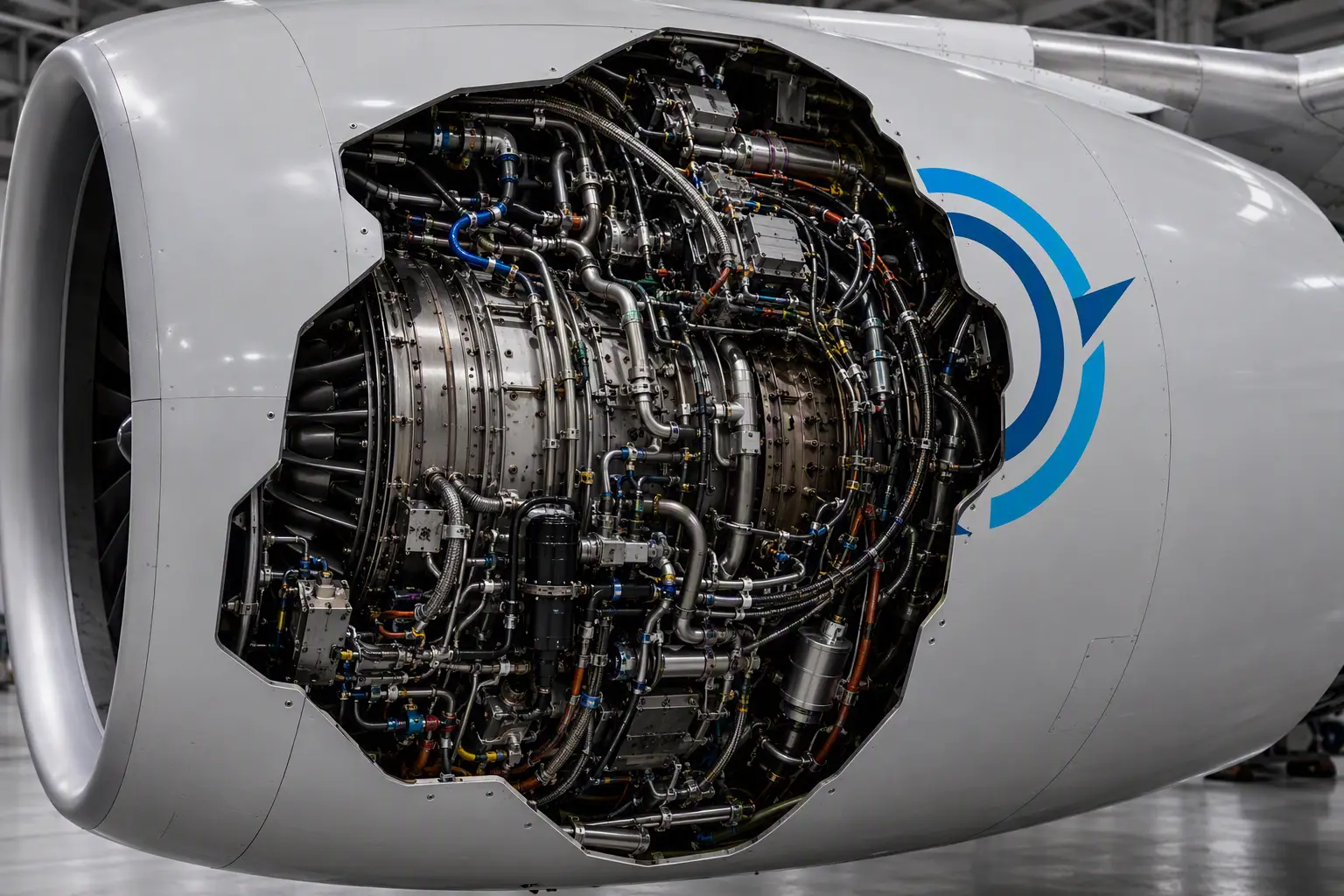
RTCA DO-160 is widely used during environmental qualification of airborne equipment installed on commercial aircraft, military aircraft, helicopters, UAVs, advanced air mobility platforms and eVTOL systems. The standard provides a structured method of demonstrating that airborne equipment can continue to perform when exposed to the environmental conditions likely to be encountered throughout its operational life.
Typical applications include:
The environmental conditions experienced by airborne equipment are largely influenced by where the equipment is installed within the aircraft. Equipment located within a temperature-controlled cockpit may experience very different operating conditions to systems installed in unpressurised compartments, external fairings, rotorcraft structures or UAV payload bays.
For this reason, RTCA DO-160 qualification programmes are typically developed around the aircraft installation environment rather than the equipment alone. Installation location, operating altitude, aircraft type, mission profile and functional requirements can all influence the environmental categories, test severities and monitoring activities applied during qualification.
Environmental qualification testing is often used to support equipment approval programmes, aircraft integration activities, development testing and customer qualification requirements. Defining the intended operating environment early helps ensure that testing remains representative of real-world aerospace conditions and produces meaningful evidence of equipment performance, reliability and environmental resilience.
Resonate Testing supports RTCA DO-160 environmental qualification programmes through a combination of climatic, mechanical and environmental testing services relevant to airborne equipment. We work with aerospace manufacturers, avionics developers, UAV suppliers, eVTOL programmes and advanced engineering teams to plan and execute environmental qualification activities aligned with aircraft operating environments and programme requirements.
Our environmental testing capabilities can support qualification activities involving temperature and altitude, humidity, vibration, mechanical shock, waterproofness, fluid susceptibility, dust and contamination exposure, corrosion assessment and related environmental conditions commonly considered within RTCA DO-160 test programmes. Testing activities can be coordinated through a single engineering team, helping maintain continuity from requirement review and test planning through to execution, inspection and reporting.
Whether supporting a single environmental assessment or a broader qualification campaign, we assist customers with category selection, test programme development, instrumentation planning, functional monitoring and qualification reporting to help generate meaningful environmental qualification evidence for airborne equipment.
Flexible testing capability. Integrated programme support. Aerospace-focused engineering expertise.
RTCA DO-160 provides a structured approach to environmental qualification for airborne equipment by defining a series of environmental, mechanical, electrical and electromagnetic test categories that represent the conditions encountered throughout the life of an aircraft. Rather than applying a single qualification profile to every product, the standard allows manufacturers and integrators to select the environmental conditions most relevant to the equipment’s intended installation and operating environment.
The conditions experienced by airborne equipment can vary significantly depending on where it is installed. Avionics located within a pressurised flight deck may operate in a relatively controlled environment, while equipment installed in unpressurised compartments, external fairings, rotorcraft structures, UAV payload bays or eVTOL platforms can be exposed to much harsher environmental conditions. RTCA DO-160 helps bridge this gap by providing environmental categories that reflect these different operating scenarios.
Each category is designed to evaluate how specific environmental stressors influence the performance, reliability and durability of airborne hardware. These stressors may include extreme temperatures, rapid thermal transitions, humidity, vibration, mechanical shock, altitude effects, water exposure, fluid contamination, sand and dust ingress, salt-laden atmospheres, aircraft power variations and electromagnetic interference. Together, these assessments provide a comprehensive understanding of how equipment is likely to behave during transportation, storage, ground operations and flight.
Selecting appropriate RTCA DO-160 categories is a critical part of any aerospace qualification programme. The chosen environmental conditions should accurately reflect the intended aircraft installation, mission profile and operational environment. Environmental qualification data generated through testing is commonly used to support equipment approval activities, aircraft integration programmes, design verification exercises and broader aerospace development projects. By aligning the test environment with the expected operating environment, manufacturers can generate evidence that demonstrates equipment suitability, supports risk reduction and provides confidence in long-term operational performance.
As aircraft technology continues to evolve across commercial aviation, defence aviation, advanced air mobility, UAV and eVTOL platforms, RTCA DO-160 remains one of the most widely recognised frameworks for demonstrating that airborne equipment can perform reliably in the challenging environments encountered throughout aerospace operations.
| Specification | Capability |
|---|---|
| Section 4 - Temperature and altitude | Verifies operation and survival under temperature extremes and reduced atmospheric pressure. |
| Section 5 - Temperature variation | Assesses resistance to rapid temperature changes and thermal shock. |
| Section 6 - Humidity | Evaluates performance after prolonged exposure to high humidity and condensation. |
| Section 7 - Shock | Demonstrates equipment integrity during handling shocks and emergency landing loads. |
| Section 8 - Vibration | Confirms performance under aircraft vibration environments throughout service life. |
| Section 9 - Explosion Proofness (Explosive Atmosphere) | Ensures equipment will not ignite flammable fuel-air mixtures. |
| Section 10 - Waterproofness | Verifies resistance to rain, spray, dripping water and water ingress. |
| Section 11 - Fluid susceptibility | Assesses resistance to fuels, oils, hydraulic fluids and cleaning agents. |
| Section 12- Sand and Dust | Evaluates performance when exposed to airborne sand and dust contamination. |
| Section 13 - Fungus Resistance | Determines susceptibility to fungal growth in warm, humid environments. |
| Section 14 - Salt Spray | Measures resistance to corrosion caused by saline marine environments. |
| Section 15 - Magnetic Effect | Quantifies magnetic field emissions that could affect aircraft instruments. |
| Section 16 - Power Input | Verifies tolerance to aircraft electrical power variations and interruptions. |
| Section 17 - Voltage Spike | Assesses immunity to transient voltage spikes on power lines. |
| Section 18- Audio Frequency Conducted Susceptibility | Tests susceptibility to unwanted audio-frequency signals on wiring. |
| Section 19 - Induced Signal Susceptibility | Evaluates sensitivity to induced voltages and currents from nearby systems. |
| Section 20 - Radio Frequency Susceptibility (Radiated & Conducted) | Demonstrates immunity to conducted and radiated radio-frequency energy. |
| Section 21 - Emission of Radio Frequency Energy | Measures radio-frequency emissions generated by the equipment. |
| Section 22 - Lightning Induced Transient Susceptibility | Assesses resistance to lightning-induced electrical transients on aircraft wiring. |
| Section 23 - Lightning Direct Effects | Evaluates the effects of a direct lightning strike on exposed equipment. |
| Section 24 - Icing | Verifies operation during and after exposure to ice accretion conditions |
| Section 25 - Electrostatic Discharge (ESD) | Demonstrates immunity to electrostatic discharges from personnel and equipment. |
| Section 26 - Fire & Flammability | Assesses flame resistance, fire containment and material flammability characteristics. |
The environmental severity classification assigned to airborne equipment based on its installation location and expected operating environment.
The aircraft location where equipment is installed, often used to determine applicable RTCA DO-160 categories and environmental conditions.
Standardised vibration environments within RTCA DO-160 used to represent different aircraft installation locations and operational conditions.
Agreed definition of acceptable equipment behaviour during and after environmental exposure.
A severe vibration category commonly associated with helicopter and rotorcraft operating environments.
Mechanical shock conditions that airborne equipment may reasonably experience during normal aircraft service.
High-Intensity Radiated Fields. Electromagnetic energy that may interfere with aircraft systems and avionics operation.
The complete range of environmental conditions that equipment may encounter throughout operation, ground handling and storage.
Predefined conditions used to determine whether environmental exposure has adversely affected equipment performance.
Verification that an item is suitable for its specific aircraft installation environment rather than a generic operating condition.
Classification used to assess fire exposure and material behaviour within applicable RTCA DO-160 fire test requirements.
RTCA DO-160 is not a single environmental test. Qualification programmes are typically tailored to the intended aircraft installation environment, operating conditions and equipment function. Environmental conditions can vary significantly between flight decks, avionics bays, pressurised cabins, external aircraft locations, rotorcraft compartments, UAV payload systems and eVTOL platforms.
Installation environments should be reviewed early if equipment will experience temperature extremes, altitude changes, vibration, mechanical shock, water exposure, fluid contamination, electromagnetic interference or challenging aircraft power conditions. Test categories, severity levels and performance criteria may differ depending on the aircraft type, installation location and certification requirements. Confirm the required qualification approach before programme scope, test categories or acceptance criteria are committed.
Successful RTCA DO-160 qualification starts with understanding the aircraft installation environment.
RTCA DO-160 qualification activities often require multiple environmental, mechanical and electromagnetic assessments to demonstrate equipment performance under representative aerospace operating conditions. Coordinating climatic, vibration, shock and EMC testing within a single campaign helps reduce programme complexity and maintain continuity throughout the qualification process. Running testing through one engineering team helps align test planning, instrumentation, monitoring, reporting and technical review activities across the wider qualification programme.
For projects requiring multiple environmental assessments, temperature and altitude testing, vibration testing, shock testing, waterproofness assessments, fluid susceptibility evaluations and EMC testing can be planned as part of a structured RTCA DO-160 qualification campaign.
Fast. Flexible. Accessible.
We agree the required outputs before testing begins so that the evidence generated aligns with the qualification programme, certification objectives and customer requirements. A typical RTCA DO-160 reporting package may include:

Categories are typically selected based on the aircraft type, installation location, operating environment and customer or regulatory requirements.
No. Most programmes are tailored to the intended airborne application and only include the sections relevant to the equipment being qualified.
Equipment installed in a cockpit, avionics bay, external pod, rotorcraft compartment or UAV platform may experience very different environmental conditions requiring different category selections.
Typical inputs include the RTCA DO-160 revision, aircraft platform, installation location, equipment drawings, environmental requirements, operating modes and acceptance criteria.
RTCA DO-160 is an environmental qualification standard used to evaluate how airborne equipment performs when exposed to the environmental conditions encountered during aviation operations.
No. RTCA DO-160 is a test standard that provides environmental qualification procedures and categories. Testing generates evidence that may support certification and approval activities.
RTCA DO-160 is commonly applied to avionics, communication equipment, navigation systems, sensors, UAV payloads, eVTOL technologies, aerospace batteries and other airborne electronic systems.
The standard helps demonstrate that airborne equipment can operate reliably when exposed to environmental, mechanical and electromagnetic conditions encountered during aircraft service.
Programme duration depends on the selected test sections, environmental severities, functional monitoring requirements and qualification objectives.
Yes. Temperature, altitude, vibration, shock, waterproofness, EMC and other applicable assessments are often coordinated within a single qualification programme.
Monitoring requirements vary by programme but may include functional checks, operational assessments, electrical monitoring, environmental measurements and post-test inspections.
Customers typically receive environmental test records, achieved environmental profiles, observations, functional assessment data, inspection findings and an agreed qualification report or data pack aligned with the programme scope.
Share the standard, drawing, equipment description or draft test profile. A test engineer can review the requirement, confirm the practical route, identify unsupported or partner-supported areas, and help define fixtures, instrumentation, sequence and reporting needs before testing starts.
Whether you’re looking to contact us for the first time or have another testing requirement, we’d love to hear from you.