
© 2026 ResonateTesting Ltd.
Resonate Testing supports aerospace manufacturers and equipment suppliers with battery qualification evidence for RTCA DO-227A, ETSO-C142b, TSO-C142b and related aviation battery requirements for UK, Ireland and international programmes.
Resonate provides RTCA DO-227A battery testing support for aerospace lithium cells and batteries. Our engineer-led battery testing capability supports manufacturers working to RTCA DO-227A, UL 1642, ETSO-C142b and customer-defined aviation requirements, with practical review of datasheets, drawings, charge/discharge information, test quantities and reporting needs before quotation.
RTCA DO-227A battery testing helps aerospace manufacturers demonstrate that non-rechargeable lithium cells and batteries meet the safety and performance expectations required for aviation applications. It is commonly considered alongside ETSO-C142b, TSO-C142b, customer specifications and complementary cell-level standards such as UL 1642.
Battery qualification focus: Supports non-rechargeable lithium cells and batteries intended for airborne equipment and safety-critical aerospace use.
Standards alignment: Programmes can be planned against RTCA DO-227A, ETSO-C142b, TSO-C142b, UL 1642 and customer-defined qualification requirements.
Test planning inputs: Charge/discharge curves, battery drawings, dimensions, mass, datasheets and required reporting scope help define a robust test campaign.
Evidence generation: Produces traceable test data and reporting to support development, qualification or certification activity.
Engineer-led review: Early discussion helps confirm battery chemistry, test item quantities, safety controls, fixture needs and acceptance criteria.
 Vibration Testing
 Shock Testing
 Environmental Testing
 Humidity Testing
 Corrosion and Salt Spray Testing
 Rain and Water Ingress Testing
 Sand and Dust Testing
Ready to plan an RTCA DO-227A battery testing campaign? Send your requirement, drawings, installation assumptions or certification plan for engineer review and receive guidance on fireproof or fire-resistant classification, setup, instrumentation and evidence requirements.
Battery qualification programmes often need early review of the cell or battery design, chemistry, applicable aviation requirement, test item quantities and reporting evidence required by the customer or certification route.
Share charge/discharge curves, battery drawings, dimensions, mass, datasheets, safety information, required standard and reporting scope. Resonate Testing can review the practical test approach before quotation.
RTCA DO-227A battery qualification support
UL 1642 and customer requirement review
Non-rechargeable lithium cell and battery assessment
Datasheet, drawing, mass, dimensions and test quantity review
Development, qualification and certification support
Aerospace battery testing is driven by the battery chemistry, installation, certification route and the role of the battery within the airborne equipment. Requirements may reference RTCA DO-227A, ETSO-C142b, TSO-C142b, UL 1642, RTCA DO-160G or customer-specific procedures.
The objective is not simply to run a battery through a generic test list. The objective is to generate traceable evidence that the cell or battery satisfies the agreed safety, performance and qualification requirements for its intended aviation use.
Before testing begins, the programme should confirm chemistry, configuration, ratings, charge/discharge information, sample quantities, safety controls, instrumentation, acceptance criteria, qualification test procedure requirements and reporting scope.
Early standards review helps reduce rework and ensures the final test evidence aligns with the certification, customer approval or development route.
| Standard / Guidance | Primary Focus | Typical Relevance |
|---|---|---|
| ETSO-C142a (28/11/2008) ETSO-C142b (25/7/2020) | Non-rechargeable lithium cell and battery airworthiness performance requirements | European Technical Standard Order authored by EASA for non-rechargeable lithium cells and batteries. The ETSO defines the requirements that products manufactured on or after the effective date must meet to be identified with the applicable ETSO marking. |
| TSO-C142 TSO-C142b | Minimum performance standards for non-rechargeable lithium batteries used in aircraft | FAA Technical Standard Orders for lithium batteries. These prescribe the minimum performance standard that lithium cells and batteries must meet to be identified with the applicable TSO marking. |
| RTCA/DO-227 (June 23, 1995) RTCA/DO-227A (Sept. 21, 2017) | Minimum operational performance standards and environmental testing for non-rechargeable lithium battteries | Minimum Operational Performance Standards for non-rechargeable lithium batteries. Applies to non-rechargeable lithium cells, batteries and battery systems permanently installed on aircraft, including PEDs that form part of the type design. It does not apply to secondary rechargeable lithium batteries or passenger-carried items. |
| 14 CFR Part 121 | Operational and safety requirements for commercial air transport involving lithium batteries | Title 14 of the Code of Federal Regulations, Part 121, including Subpart X and Appendix A. Covers air carrier certification context, including Appendix A requirements for first aid kits and emergency medical kits. |
| ICAO Technical Instructions for the Safe Transport of Dangerous Goods by Air (ICAO Doc 9284) | Safe transport of lithium batteries and other dangerous goods by air | International Civil Aviation Organization instructions supporting the safe international transport of dangerous goods by air. These contain the detailed provisions needed to apply Annex 18 requirements. |
| AMC1.CAT.GEN.MPA.140 (f)(1) of Commission Regulation (EU) No 965/2012 | Safe use and carriage of portable electronic devices containing lithium batteries on aircraft | Acceptable Means of Compliance covering how operators prevent portable electronic devices from adversely affecting aircraft systems and equipment. It addresses PED use in passenger, flight and cargo compartments, including controlled PEDs qualified and under operator configuration control. |
| AC-20-04 | Airworthiness approval and installation guidance for non-rechargeable lithium battery equipment | Airworthiness Circular covering airworthiness requirements for equipment with non-rechargeable lithium batteries. It informs organisations managing equipment with NRLBs of NRLB-specific airworthiness considerations. |
| AC20-192 | Testing, installation and airworthiness compliance for non-rechargeable lithium cells and batteries | Advisory Circular giving guidance on testing and installation of non-rechargeable lithium cells, batteries and batteries within end items on aircraft. It provides an acceptable means of compliance for installation, operation, maintenance, airworthiness requirements, safety objectives and safety criteria. |
| United Nations UN Manual of Tests and Criteria, Part III, subsection 38.3 | Transport safety testing and qualification of lithium cells and batteries | Defines transport test requirements that lithium cells and batteries must pass before they can be transported. |
| Commission Regulation (EU) 965/2012 of 5 October 2012 | EU operational safety requirements for commercial air transport and specialised operations | Air Operations Regulation laying down detailed rules for air operations with aeroplanes and helicopters, operator certification, declarations, oversight, privileges and responsibilities, and authorisations for certain high-risk commercial specialised operations in the interest of safety. |
Testing performed to RTCA DO-227A is intended to support qualification of non-rechargeable lithium cells and batteries used in airborne equipment. The standard is referenced within aviation battery approval routes such as ETSO-C142b and TSO-C142b. Typical objectives include assessing whether the battery test evidence is suitable for the specified aviation requirement, customer specification or certification route.
Test planning is normally based on the specific cell or battery design and the applicable requirement, including chemistry, configuration, ratings, charge/discharge curves, drawings, dimensions, mass, sample quantities, safety information, instrumentation and reporting expectations. Applicability should be confirmed for the exact battery, installation and programme requirements before testing begins.
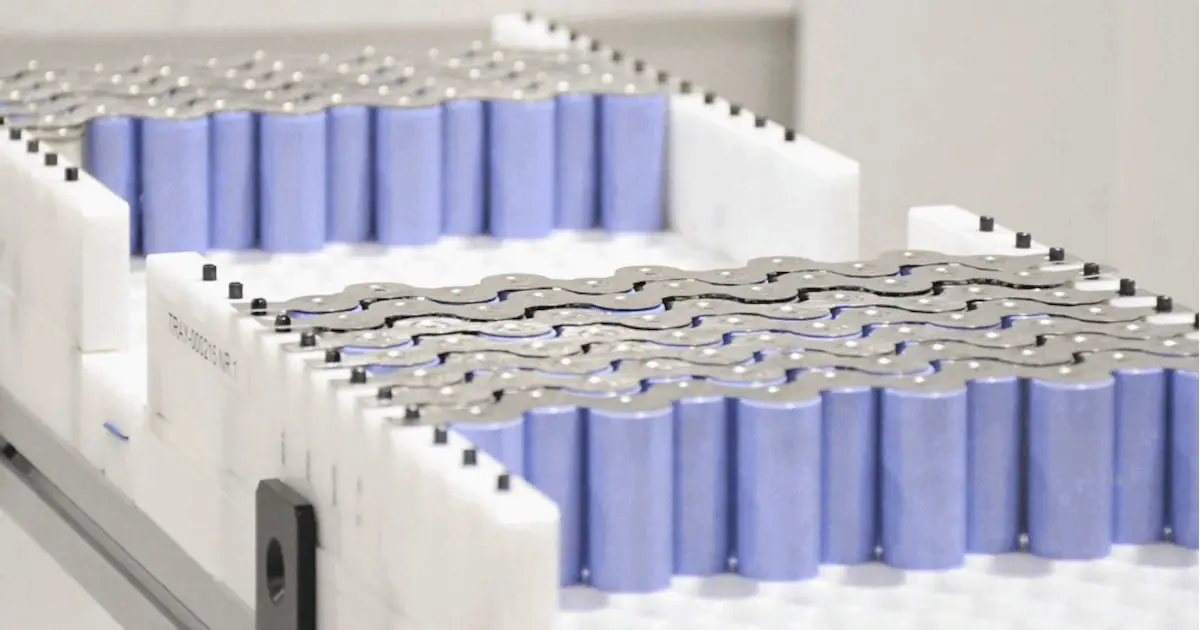
Resonate Testing provides engineer-led aerospace battery testing support for lithium cells and batteries used in airborne equipment. Programmes can be planned against RTCA DO-227A, ETSO-C142b, TSO-C142b, UL 1642 and customer-defined battery qualification requirements.
The laboratory supports development, validation, qualification and certification evidence for battery products where the agreed scope, safety information, test item quantities and reporting requirements are confirmed before quotation.
Successful RTCA DO-227A testing requires more than selecting a standard. Test planning may include datasheet review, drawings, dimensions, mass, charge/discharge curves, battery configuration, safety controls, instrumentation, qualification test procedure review and agreed observations.
Where the requirement demands it, Resonate can coordinate battery testing with related environmental or mechanical test activity so the evidence package aligns with the wider qualification programme.
Early engagement helps identify sample needs, safe operating limits, fixture requirements, instrumentation access and practical risks before the test campaign starts.
| Specification | Capability |
|---|---|
| Test Type | RTCA DO-227A battery qualification support |
| Battery Types | Non-rechargeable lithium cells and batteries for airborne equipment, subject to the agreed scope |
| Battery Information | Charge/discharge curves, datasheets, drawings, dimensions, mass and configuration details |
| Applicable Requirements | RTCA DO-227A, ETSO-C142b, TSO-C142b, UL 1642, RTCA DO-160G and customer-defined battery requirements |
| Sample Planning | Quantity of test items, condition on arrival, handling limits and agreed test scope |
| Related Testing | Environmental or mechanical testing can be coordinated where required by the qualification plan |
| Instrumentation | Monitoring and observations agreed from the standard, safety assessment and customer requirement |
| Assessment Focus | Qualification evidence, safety observations, achieved conditions and agreed acceptance criteria |
| Test Planning Support | Standard review, sample planning, safety review, instrumentation and reporting scope |
Plan: Review the standard, certification route, battery type, qualification test procedure, acceptance criteria and safety considerations.
Prepare: Confirm datasheets, drawings, dimensions, mass, charge/discharge information, sample quantities and handling limits.
Configure and instrument: Prepare the battery, connect agreed monitoring and verify safe setup before testing.
Run the agreed tests: Execute the defined RTCA DO-227A, ETSO/TSO route, UL 1642 or customer-specified test scope using the approved setup.
Monitor: Record agreed data, safety observations, achieved conditions and any checks required by the plan.
Review and report: Compile observations, data, photographs where agreed and an evidence package aligned to the quotation scope.
Battery drawings, configuration and intended airborne equipment context
Target standard, customer specification and acceptance criteria
Applicable ETSO-C142b, TSO-C142b, RTCA DO-227A or RTCA DO-160G references
Battery chemistry, ratings, part number, dimensions and mass
Charge/discharge curves, datasheets and handling or storage limits
Quantity of test items and required test sequence
Instrumentation, monitoring or customer observation requirements
Battery construction details, protection features and enclosure information
Hazardous material, stored energy and emergency response information
Pre-test inspection, witness, photography and post-test assessment needs
Reporting, photographic evidence and witness requirements
RTCA DO-227A testing supports qualification of non-rechargeable lithium cells and batteries used in airborne equipment.
It is a minimum performance standard for materials, parts, and appliances used on civil aircraft.
The report can support development, qualification or certification evidence against the agreed standard, customer requirement and test scope.
In RTCA DO-227A battery testing, the condition of each sample before, during and after test activity is central to the evidence package. Visible damage, venting, leakage, deformation, temperature behaviour and other agreed observations should be considered when defining acceptance criteria.
Risk should be reviewed early because lithium cells and batteries involve stored energy, chemistry-specific hazards and handling constraints. Instrumentation, photographs, witness inspection, quarantine arrangements and emergency response information should be agreed before the test is quoted or committed.
Aerospace battery programmes may need more than a standalone battery test. Coordinating RTCA DO-227A or UL 1642 activity with vibration, shock, temperature, humidity or other environmental testing helps align sample planning, instrumentation and documentation across the full programme.
For projects that also need mechanical or environmental testing, review the related services before finalising the campaign sequence and evidence package.
Outputs are agreed before the test so the evidence matches the programme need. A typical package may include:
Recorded test conditions, battery observations and agreed instrumentation data
Evidence of achieved conditions, test sequence and agreed sample handling steps
Observations from setup, test execution and post-test review
Photographic evidence where agreed
Venting, leakage, deformation, temperature behaviour or other observations where included in the plan
An agreed test report or data pack aligned to the quotation scope
RTCA DO-227A testing supports qualification of non-rechargeable lithium cells and batteries used in airborne equipment.
Battery qualification programmes may reference RTCA DO-227A, ETSO-C142b, TSO-C142b, UL 1642, RTCA DO-160G and customer-defined requirements, depending on the battery and certification route.
Resonate can review requirements for lithium cells and batteries where the datasheet, drawings, dimensions, mass, chemistry, sample quantities and test scope are available.
Where required by the qualification plan, battery testing can be coordinated with related environmental or mechanical testing so the evidence package is aligned.
Outputs may include achieved test conditions, agreed monitoring data, observations, photographs where agreed and a report or data pack aligned to the quotation scope.
Book battery testing support for aerospace lithium cells and batteries. Use the contact route to share your standard, datasheets, drawings, charge/discharge curves, test item quantities and acceptance criteria for review.
Whether you’re looking to contact us for the first time or have another testing requirement, we’d love to hear from you.