
© 2026 ResonateTesting Ltd.
DEF STAN 00-35 environmental qualification testing helps demonstrate that defence equipment can operate reliably in the conditions it is expected to encounter throughout its service life. Through the application of appropriate climatic, mechanical and environmental test methods, manufacturers can evaluate equipment performance, durability and environmental resilience before deployment. This supports qualification programmes, design validation activities and procurement requirements while providing confidence that equipment can perform effectively in demanding military operating environments.
DEF STAN 00-35 / DEF STAN 00-035 Environmental Handbook for Defence Materiel is a UK Ministry of Defence standard used to define environmental conditions, test procedures and severities for military equipment and materials. The standard supports environmental qualification programmes intended to demonstrate that defence materiel can survive, operate and remain effective within its expected service environment.
 Shock Testing | UK & Ireland
 Vibration Testing | UK & Ireland
 Environmental Testing | UK & Ireland
 Humidity Testing | UK & Ireland
 Corrosion & Salt Spray Testing | UK & Ireland
 Rain Testing and Water Ingress Testing
 Sand and Dust Testing
Resonate supports DEF STAN 00-35 testing UK and DEF STAN 00-35 testing Ireland programmes for defence manufacturers, military system integrators and advanced engineering organisations. Our facilities help customers throughout the UK and Ireland complete qualification, acceptance and environmental verification testing for defence equipment, military electronics, vehicle systems and mission-critical hardware. We can support test planning, instrumentation requirements, integrated qualification programmes and engineering review activities.
Whether you require DEF STAN 00-35 environmental testing, military equipment qualification testing or broader defence environmental testing, our team can assist with programme planning, standards review and environmental test execution.
Ready to plan your DEF STAN 00-35 testing campaign? Send your requirement, specification, drawings or environmental test profile for engineer review and receive guidance on test suitability, facility capability, instrumentation requirements and programme readiness.
Environmental qualification programmes work best when the service environment, equipment configuration, test severities and acceptance criteria are defined before testing begins. Early technical review helps ensure the selected procedures reflect the intended defence application and generate meaningful qualification evidence. Share your DEF STAN reference, equipment details, drawings, operating requirements and environmental conditions for review. Resonate Testing can assess procedure selection, severity levels, monitoring requirements and reporting expectations before quotation.
DEF STAN 00-35 is not a single test, but a framework for selecting environmental test methods that reflect the equipment’s intended service environment. A qualification programme that is suitable for one platform or deployment scenario may not be appropriate for another.
Equipment installed in armoured vehicles, naval vessels, aircraft, fixed infrastructure or deployable systems can be exposed to very different combinations of temperature, humidity, vibration, shock, salt fog, dust and transportation environments. Test severity levels, durations and acceptance criteria are therefore typically determined by the operational requirements of the equipment.
Failure to select the appropriate qualification route can result in under-testing, over-testing, programme delays and increased technical risk. Defining the environmental profile early helps ensure that testing reflects realistic service conditions and provides meaningful evidence of equipment performance and reliability.
| Standard / Guidance | Primary Focus | Typical Relevance |
|---|---|---|
| DEF STAN 00-35 | Environmental management and qualification of defence materiel | UK defence equipment qualification and environmental verification programmes |
| MIL-STD-810 | Environmental engineering and laboratory test methods | Military electronics, vehicle systems and ruggedised equipment |
| RTC DO-160 | Environmental qualification of airborne equipment | Military aerospace systems, avionics, UAVs and airborne electronics |
| IEC 60068 Series | Environmental test methods for reliability and durability assessment | Temperature, humidity, vibration, shock and climatic testing |
| NATO STANAGs | Standardisation and interoperability between NATO member nations | Defence platforms, multinational programmes and procurement activities |
| IEC 60529 | Ingress protection testing (IP Code) | Water and dust resistance verification of enclosures and equipment housings |
| ISO 9227 | Salt spray corrosion testing | Marine, naval and coastal environment assessments |
| ASTM B117 | Salt spray corrosion testing | Corrosion resistance evaluation for coatings, finishes and materials |
Assesses equipment performance, functionality and long-term survivability across the climatic and atmospheric environments encountered during military storage, transportation and operational deployment. Climatic testing helps identify environmental vulnerabilities before equipment enters service, providing confidence that systems can operate reliably when exposed to temperature extremes, moisture, reduced air pressure and airborne contaminants. Test severities are typically selected to replicate the intended operational environment and support environmental qualification activities in accordance with programme requirements.
Environmental conditions can have a significant effect on electronics, mechanical assemblies, materials, seals and protective enclosures. Repeated exposure to harsh climates may accelerate degradation, affect operational performance and reduce service life if weaknesses are not identified during qualification. Climatic testing provides valuable evidence that defence equipment can continue to meet performance requirements when deployed in desert, tropical, maritime, high-altitude and cold-weather operating environments.
The selected environmental profile will normally reflect the intended service conditions of the equipment, ensuring that testing remains representative of real-world military operation, transportation and storage scenarios. Results from climatic testing are commonly used to support design validation, qualification programmes, reliability assessments and procurement activities.
| Climatic Test Method | Purpose |
|---|---|
| Temperature | Evaluates equipment operation, storage and survivability under high and low temperature conditions that may be encountered during deployment, transportation and storage. |
| Humidity | Assesses resistance to moisture, condensation and prolonged exposure to humid environments that may affect electrical performance, materials and protective finishes. |
| Pressure and Altitude | Evaluates functionality and reliability under reduced atmospheric pressure conditions associated with air transport and high-altitude operation. |
| Wind-Blown Dust | Assesses susceptibility to fine particulate contamination that may obstruct cooling systems, affect moving parts and reduce operational performance. |
| Wind-Blown Sand | Evaluates resistance to abrasive particles, ingress and component wear in harsh desert and arid operating environments. |
Assesses equipment performance, functionality and long-term survivability when subjected to the mechanical stresses encountered during military storage, transportation and operational deployment. Mechanical testing helps identify structural and reliability vulnerabilities before equipment enters service, providing confidence that systems can operate reliably when exposed to vibration, shock, impact, handling events and transportation-related loading. Test severities are typically selected to replicate the intended operational environment and support environmental qualification activities in accordance with programme requirements.
Mechanical stresses can have a significant effect on electronics, structural assemblies, connectors, mounting systems, fasteners and protective enclosures. Repeated exposure to vibration, impact and dynamic loading may accelerate wear, affect operational performance and reduce service life if weaknesses are not identified during qualification. Mechanical testing provides valuable evidence that defence equipment can continue to meet performance requirements when deployed on vehicles, aircraft, naval platforms and mobile military systems operating in demanding environments.
The selected mechanical profile will normally reflect the intended service conditions of the equipment, ensuring that testing remains representative of real-world military operation, transportation and handling scenarios. Results from mechanical testing are commonly used to support design validation, qualification programmes, reliability assessments and procurement activities.
| Mechanical Test Method | Purpose |
|---|---|
| Vibration | Evaluates durability under transportation, vehicle, aircraft and operational vibration environments. |
| Shock | Assesses resistance to sudden mechanical loads generated by handling, deployment and operational events. |
| Drop | Demonstrates equipment survivability following accidental handling drops and transportation incidents. |
| Impact | Evaluates structural integrity and functionality following physical impact events. |
| Acoustic Analysis | Assesses the effects of high acoustic energy and vibration-induced loading on equipment and assemblies. |
Examines the effects of biological growth, corrosive environments and chemical exposure on defence equipment, materials and protective finishes. Chemical and biological testing helps determine whether systems can withstand the environmental conditions encountered during storage, transportation and operational deployment without unacceptable degradation in performance, reliability or service life.
| Chemical & Biological Test Method | Purpose |
|---|---|
| Mould Growth | Evaluates susceptibility to fungal growth that may affect materials, coatings, insulation systems and equipment performance. |
| Salt Atmospheres | Assesses resistance to corrosion caused by marine, naval and coastal environments. |
| Fluid Contamination | Evaluates the effects of fuels, lubricants, hydraulic fluids, cleaning agents and other operational chemicals. |
| Corrosion | Assesses degradation of materials, protective finishes and assemblies when exposed to corrosive environmental conditions. |
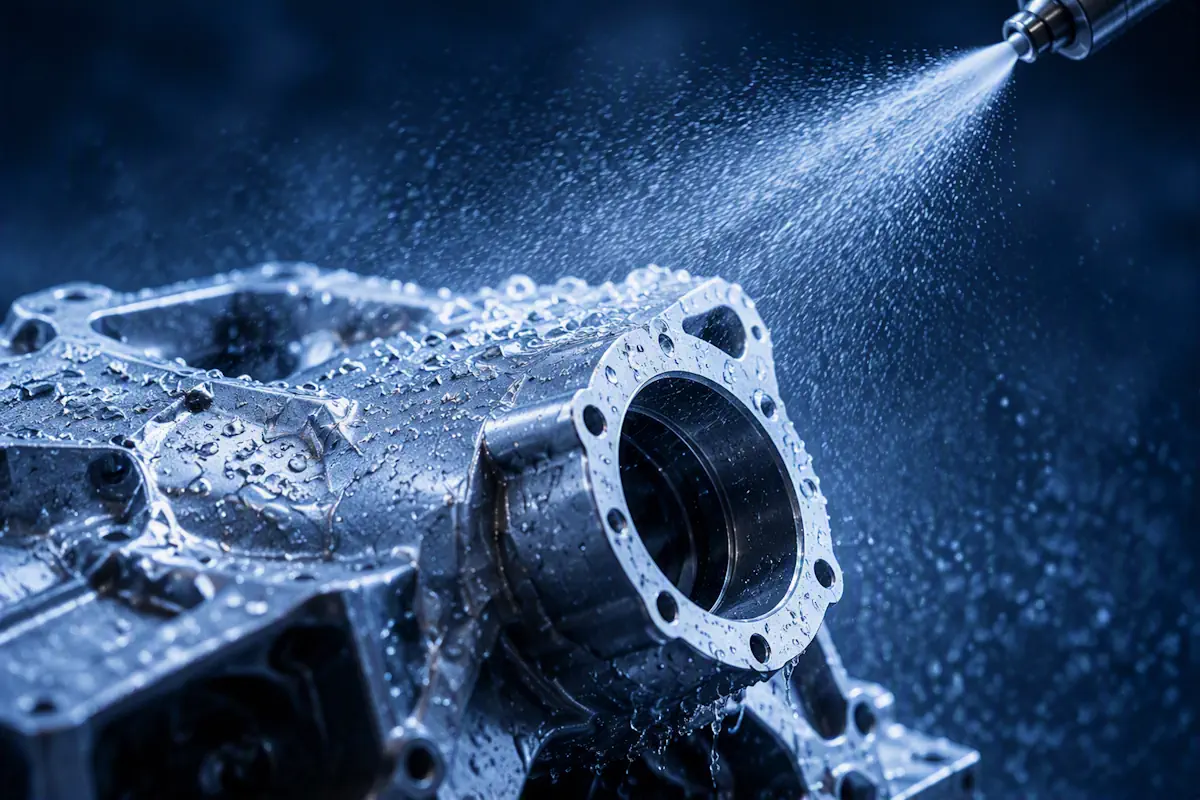
Resonate Testing supports DEF STAN 00-35 qualification programmes through a combination of environmental, climatic and mechanical testing capabilities. Our facilities support temperature, humidity, vibration, shock, corrosion and ingress protection testing, helping customers evaluate equipment performance under environmental conditions representative of storage, transportation and operational service environments.
Testing programmes can be tailored to the intended deployment profile and may form part of a wider environmental qualification campaign. Engineering support is available for test planning, instrumentation, monitoring, standards review and environmental test execution.
| Specification | Capability |
|---|---|
| Test Type | DEF STAN 00-35 environmental qualification testing |
| Equipment Focus | Defence equipment, military electronics, vehicle systems, communications equipment, mission-critical hardware and deployable systems |
| Test Areas | Climatic testing, mechanical testing, chemical and biological testing, corrosion assessment, environmental exposure and reliability verification |
| Applicable Standards | DEF STAN 00-35, customer specifications, procurement requirements and project-specific environmental qualification plans |
| Component Types | Electronic assemblies, control systems, communications hardware, sensors, enclosures, vehicle-mounted equipment, subsystems and complete assemblies |
| Planning Inputs | Intended service environment, platform type, deployment location, environmental profile, acceptance criteria, equipment configuration and operational requirements |
| Instrumentation | Temperature monitoring, humidity monitoring, vibration measurement, shock measurement, environmental chamber monitoring and customer-specified instrumentation where required |
| Assessment Focus | Operational performance, functional compliance, structural integrity, environmental resistance, reliability and survivability under representative service conditions |
| Qualification Activities | Environmental profile review, test programme development, standards review, instrumentation planning, test execution and reporting activities |
| Support Services | Environmental test planning, qualification programme support, engineering review, data analysis and test reporting |
A structured series of tests and assessments used to demonstrate environmental suitability and equipment reliability.
Defence materiel refers to military equipment, systems, components and associated materials that require environmental assessment or qualification.
Evaluation of whether equipment continues to meet operational requirements during and after environmental exposure.
DEF STAN 00-35 is not a single environmental test. Qualification programmes are typically tailored to the intended service environment, operational platform and equipment role. Environmental conditions can vary significantly between land vehicles, naval platforms, deployable systems, fixed infrastructure and airborne equipment.
Environmental profiles should be reviewed early if equipment will experience temperature extremes, vibration, mechanical shock, corrosive atmospheres, prolonged humidity exposure, transportation loading or challenging operating environments. Test severities, durations and success criteria may differ depending on the mission profile, deployment location and procurement requirements. Confirm the required qualification approach before programme scope, test durations or acceptance criteria are committed.
Environmental qualification starts with understanding the service environment.
DEF STAN 00-35 qualification activities often require multiple environmental test methods to demonstrate equipment performance under representative service conditions. Coordinating climatic, mechanical and environmental exposure testing within a single programme helps reduce administrative complexity and maintain continuity throughout the qualification process. Running testing through one engineering team helps align test planning, instrumentation, reporting and technical review activities across the wider qualification campaign.
For projects requiring multiple environmental assessments, climatic testing, mechanical testing, corrosion testing and environmental exposure testing can be planned as part of a structured qualification programme.
Fast. Flexible. Accessible.
We agree the required outputs before testing begins so that the evidence generated aligns with the qualification programme, customer requirements and project objectives. A typical DEF STAN 00-35 reporting package may include:

DEF STAN 00-35, later revised as DEF STAN 00-035, is a UK Ministry of Defence environmental standard used to define environmental conditions, test procedures and severities for defence materiel and military equipment.
The standard provides guidance for evaluating defence equipment against anticipated environmental conditions and supports the selection of suitable environmental test procedures and severities.
Yes. The numbering was revised from DEF STAN 00-35 to DEF STAN 00-035. The exact issue, part and procedure should always be confirmed before testing begins.
Programmes may include mechanical, climatic and chemical or biological exposures such as vibration, shock, temperature, humidity, sand, dust, corrosion and fluid contamination.
Yes. Mechanical assessments may include vibration, shock, drop, impact and acoustic environments depending on the applicable procedure and equipment requirement.
Yes. Environmental conditions may include temperature, humidity, pressure, altitude, wind-blown dust and wind-blown sand exposures.
Provide the applicable DEF STAN reference, equipment description, drawings, intended operating environment, mounting configuration, monitoring requirements and acceptance criteria.
Test severities should be selected based on the equipment’s intended storage, transportation and operational environments together with the applicable DEF STAN procedure.
Environmental qualification programmes are often reviewed alongside customer specifications and industry requirements where multiple test standards apply.(Suggestion based on common programme planning, not explicitly stated in the source document.)
Book DEF STAN 00-35 environmental testing for defence materiel, aerospace equipment, military electronics, vehicle systems and mission-critical hardware. Share the applicable standard reference, environmental profile, drawings, operating requirements and acceptance criteria for review. Resonate Testing can assess test methods, severities, monitoring requirements and qualification evidence before quotation.
Whether you’re looking to contact us for the first time or have another testing requirement, we’d love to hear from you.