
© 2026 ResonateTesting Ltd.
Resonate Testing supports automotive teams with ISO 16750 test planning and evidence for road vehicle electrical and electronic equipment, including mechanical, climatic, chemical and environmental qualification for UK, Ireland and global customers.
Resonate supports ISO 16750 automotive testing for electrical and electronic road vehicle equipment. Programmes can combine vibration, shock, temperature, humidity, fluid exposure and functional checks supporting customers through evidence based validation & qualification programmes.
ISO 16750 covers environmental conditions and test methods for electrical and electronic equipment used in road vehicles. It helps manufacturers demonstrate that ECUs, sensors, lighting, displays, power electronics, battery-related equipment and harness assemblies can withstand the environments they will see in service.
Part 1: General requirements, test conditions and functional status classifications.
Part 2: Electrical loads such as voltage variation, interruptions, cranking, load dump and reverse polarity.
Part 3: Mechanical loads including vibration, mechanical shock, drop and resonance assessment.
Part 4: Climatic loads including temperature, thermal cycling, humidity and low-pressure conditions.
Part 5: Chemical loads from automotive fluids, cleaning agents, road salts and other service chemicals.
Programme evidence: Produces observations, achieved conditions, functional results and reporting for qualification or validation decisions.
 Automotive Sector
 Vibration Testing
 Environmental Testing
 Fluid Susceptibility
Ready to plan an ISO 16750 testing campaign? Send your requirement, applicable 16750 part, vehicle location, operating voltage, drawings and samples for review
Automotive validation rarely starts with a single test. ISO 16750 programmes often combine mechanical, climatic, chemical and electrical requirements, with OEM or platform specifications adding further acceptance criteria.
Share the product description, vehicle location, operating voltage, drawings, mass, mounting method, intended functional checks and the applicable ISO 16750 parts. Resonate Testing can review which tests are in scope, what information is needed, and how the sequence should be planned before quotation.
Qualification and acceptance testing support
ECUs, sensors, lighting, displays and electronic modules
Vibration, shock, temperature, humidity and fluid exposure planning
Standards and customer requirement review
Integrated automotive environmental test cascade planning
| Standard / Guidance | Primary Focus | Typical Relevance |
|---|---|---|
| ISO 16750-1 | General requirements, test conditions and functional status classification. | All automotive electrical and electronic equipment - provides the general framework and test requirements. |
| ISO 16750-2 | Electrical loads such as voltage variation, supply interruption, cranking and load dump. | Automotive electrical / electronic components exposed to vehicle power-supply disturbances. |
| ISO 16750-3 | Mechanical loads including vibration, mechanical shock, drop and resonance testing. | Components exposed to vibration and mechanical shock during vehicle operation and handling. |
| ISO 16750-4 | Climatic loads including temperature, thermal cycling, humidity and low pressure. | Components exposed to temperature extremes, humidity, thermal cycling and altitude/pressure changes. |
| ISO 16750-5 | Chemical exposure from automotive fluids, salts, cleaners and service chemicals. | Components potentially exposed to fuels, oils, coolants, cleaning agents and other automotive chemicals. |

Resonate Testing provides engineer-led automotive environmental testing for electrical and electronic equipment across the UK and Ireland. Programmes can be planned against ISO 16750 requirements, OEM specifications and customer-defined test cascades for components such as ECUs, sensors, lighting, displays, power electronics, connectors and harness assemblies.
Typical activity may include vibration, mechanical shock, drop, thermal cycling, high and low temperature exposure, humidity, low pressure, chemical resistance and functional checks. The exact scope is reviewed against the relevant ISO 16750 part, vehicle location, operating mode and acceptance criteria before testing begins.
Successful ISO 16750 testing requires more than reaching a set point. Monitoring and verification may include control accelerometers, temperature sensors, humidity logging, electrical interfaces, customer telemetry, functional checks, pre-test inspection and post-test observations. Severity, duration, tolerances, abort criteria and mounting conditions should be reviewed before the campaign begins.
For automotive electronics, the fixture and mounting approach are central to the quality of the test. Interface drawings, mass properties, orientation, cable routing, connector access and instrumentation points should be reviewed early so the item can be mounted safely and assessed in a representative configuration.
Early engagement helps identify fixture needs, sample quantities, powered operation requirements, monitoring expectations and practical risks before the test campaign starts.
| Specification | Capability |
|---|---|
| Equipment Type | Road vehicle electrical and electronic equipment |
| Relevant Parts | ISO 16750-1, -2, -3, -4 and -5 as required by the specification |
| Mechanical Loads | Vibration, mechanical shock, drop, free fall and resonance assessment |
| Climatic Loads | High temperature, low temperature, thermal cycling, humidity and low pressure where applicable |
| Chemical Loads | Automotive fluids, oils, coolants, urea solutions, salts, cleaners and application-specific chemicals |
| Electrical Context | Operating voltage, power condition, electrical interfaces and functional status expectations |
| Samples | Sample quantities, serial numbers, pre-conditioning and post-test inspection requirements |
| Mounting | Vehicle location, orientation, fixing method, harness routing and connector access |
| Monitoring | Temperature, acceleration, humidity, electrical performance, customer telemetry and functional checks |
| Acceptance Criteria | Functional status class, visual condition, performance limits, degradation limits and customer sign-off requirements |
| Test Planning Support | Test sequence, severity, dwell times, tolerances, safety planning, evidence requirements and reporting scope |
Test Plan/ procedure : Review the applicable ISO 16750 parts, OEM requirements, vehicle location, operating modes and pass/fail criteria.
Prepare: Confirm samples, fixtures, power supply, monitoring, fluids, orientations and pre-conditioning.
Mount and instrument: Install the item as close as practical to its intended vehicle mounting and verify monitoring channels.
Apply test conditions: Run the agreed exposure, such as vibration, shock, thermal cycling, humidity or chemical contact.
Check function: Test before, during or after exposure as required by the relevant method and functional status class.
Inspect: Record physical condition, sealing, appearance, damage, degradation or any abnormal behaviour.
Review and report: Check achieved conditions, observations, results, photographs and agreed evidence pack.
Product description, intended vehicle location and operating voltage
Drawings, dimensions, mass, mounting method and connector access
Required temperature, humidity, vibration, shock or chemical exposure levels
Number of samples, test sequence, pre-conditioning and recovery requirements
Power supply, loads, signal interfaces, telemetry and functional check method
Functional status class, pass/fail criteria and allowed degradation limits
Battery, stored-energy, fluid, hazardous material or safety information
Required automotive fluids or chemicals, where chemical resistance testing is needed
Reporting, photographic evidence and witness requirements
Climatic loads are environmental conditions such as temperature, humidity, water exposure, salt mist, dust or other weather-related stresses.
Water ingress testing evaluates whether enclosures, seals and interfaces protect the component from rain, spray or other defined water exposure conditions.
Chemical loads are exposures to fluids or substances a road vehicle component may contact, such as oils, fuels, cleaners, de-icing agents or other automotive fluids.
Fluid susceptibility testing checks whether materials, labels, seals, coatings and functions are affected after exposure to specified automotive chemicals.
Temperature cycling repeatedly moves the component between defined hot and cold conditions to assess expansion, contraction and functional performance across thermal stress.
Vibration testing applies controlled dynamic input to represent road, powertrain or mounting-related vibration that a vehicle component may experience in service.
Functional status describes how well the component performs during or after testing, from normal operation through temporary degradation or loss of function.
ISO 16750-5 addresses chemical loads that may affect automotive electrical and electronic equipment. Depending on the application, exposure may involve engine oil, diesel, hydraulic fluid, coolant, urea solutions, road salts, cleaning agents or other service chemicals.
The chemical list, exposure method, temperature, duration, cleaning method and post-exposure functional checks should be confirmed before quotation. Customers may need to supply application-specific fluids in suitable quantities for the agreed test method.
Automotive electronics often need more than one environmental test. Coordinating vibration, shock, temperature, humidity and chemical exposure within one planned campaign helps reduce handover friction, align documentation and keep the engineering review connected across the full programme.
For products that also need water ingress, dust ingress, corrosion, EMC or customer-specific testing, the sequence should be reviewed before samples are committed.
Outputs are agreed before the test so the evidence matches the automotive validation need. A typical package may include:
Recorded temperature, pressure and agreed telemetry data
Plots or logs showing achieved vibration, shock, temperature, humidity or exposure conditions
Observations from setup, test execution and post-test review
Photographic evidence where agreed
Confirmation of functional checks completed before, during or after exposure
An agreed test report or data pack aligned to the quotation scope
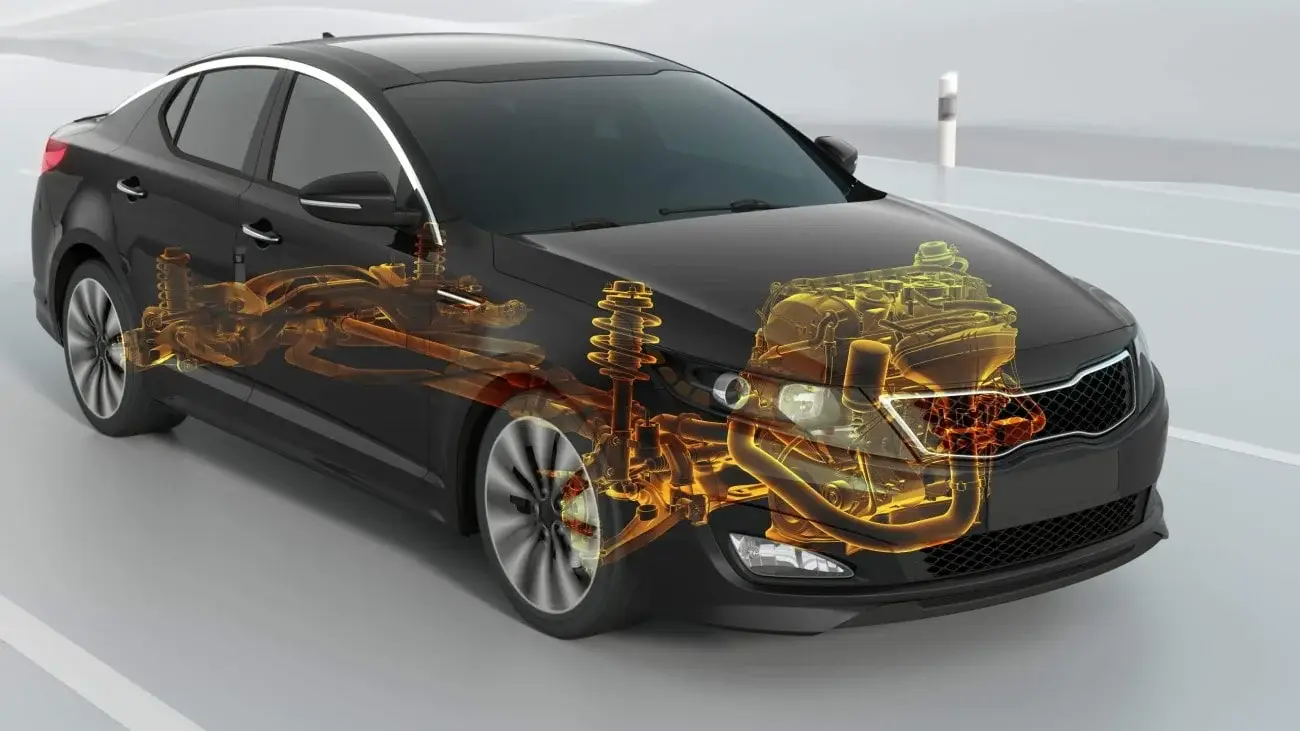
ISO 16750 defines environmental conditions and test methods for electrical and electronic equipment used in road vehicles.
The series covers general requirements, electrical loads, mechanical loads, climatic loads and chemical loads.
Provide the applicable part, vehicle location, operating voltage, drawings, mass, mounting details, samples and functional test definition.
Yes. OEM or platform specifications are often reviewed alongside ISO 16750 to define the final test cascade and acceptance criteria.
Typical outputs include achieved conditions, observations, functional results, photographs where agreed and a report or evidence pack.
Book automotive environmental testing for ECUs, sensors, lighting, electronics, power modules and vehicle components. Use the contact route to share the applicable ISO 16750 part, vehicle location, operating voltage, drawings, samples and customer specification for review.
Whether you’re looking to contact us for the first time or have another testing requirement, we’d love to hear from you.