
© 2026 ResonateTesting Ltd.
Fast, Flexible & Accessible, Your Test Facilitator, not simply a Test facility
Accredited
Scope Available
Programmes
Plus Certified
Expertise
Test Evidence
To understand why your engineering team needs both frameworks, it helps to look at how they evolved:
UN 38.3 Came First: Created in the 1980s by the United Nations, this document is a legal framework designed for customs, borders, and aviation authorities. If a battery does not comply with UN 38.3, it is legally barred from global commercial shipping.
Ultimately, the UN writes the laws for shipping, while the IEC builds the practical blueprints for laboratories.
Despite their shared foundation, the two standards diverge significantly in laboratory execution.
1. Test T-5 (External Short-Circuit): Temperature Monitoring
Where you place your sensors determines your compliance path.
IEC 62281 is stricter: It demands that thermocouples be attached directly to the external casing. The test cannot end until that specific exterior shell cools down below a strict threshold.
UN 38.3 allows flexibility: It permits engineers to route sensors straight to an internal cell node if dense external battery pack casing skews surface accuracy.
2. Test T-6 (Crush Test): Tooling Profiles
How your hydraulic press applies force changes depending on the spec you are using.
UN 38.3 is stricter: It introduces a geometric tooling constraint where the crushing plates must possess sufficient surface area to completely cover the face of the cell, preventing edge-piercing.
IEC 62281 is broader: It simply asks technicians to compress the cell between “two flat surfaces”.
3. IEC 62281 Exclusive: Test P-1 (Packaging Drop)

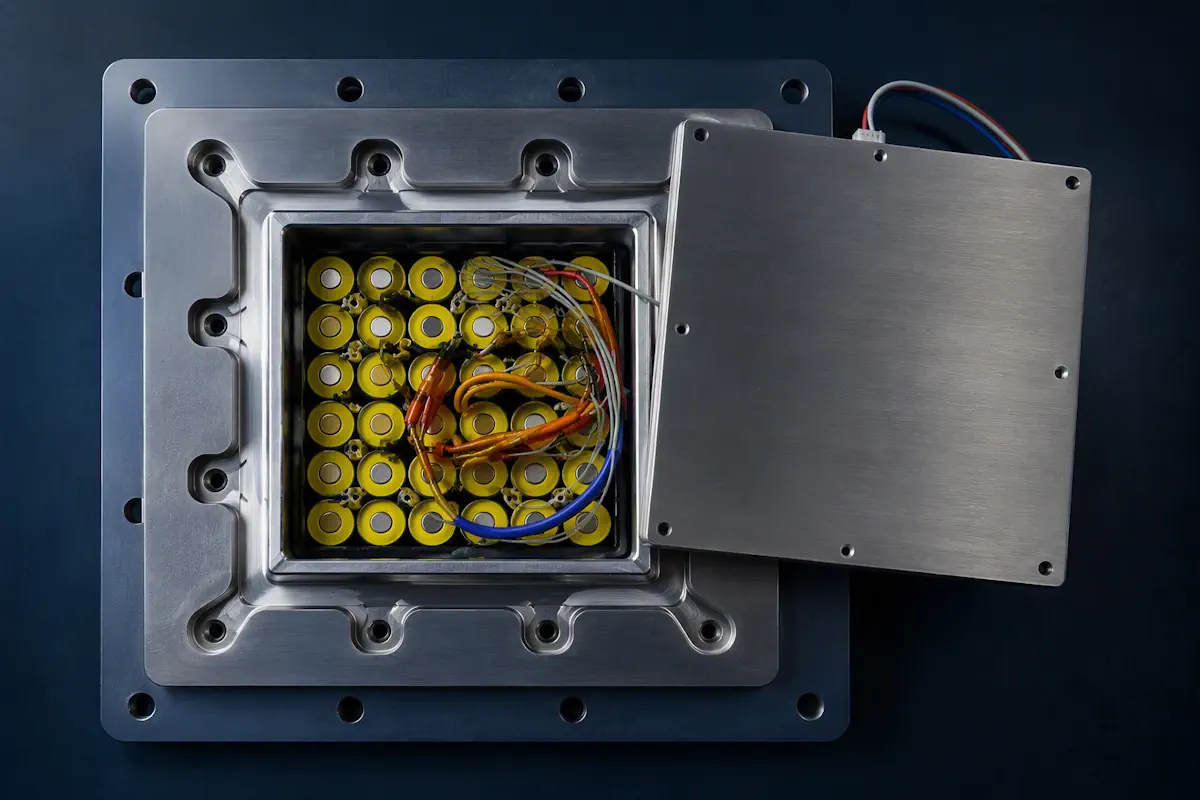
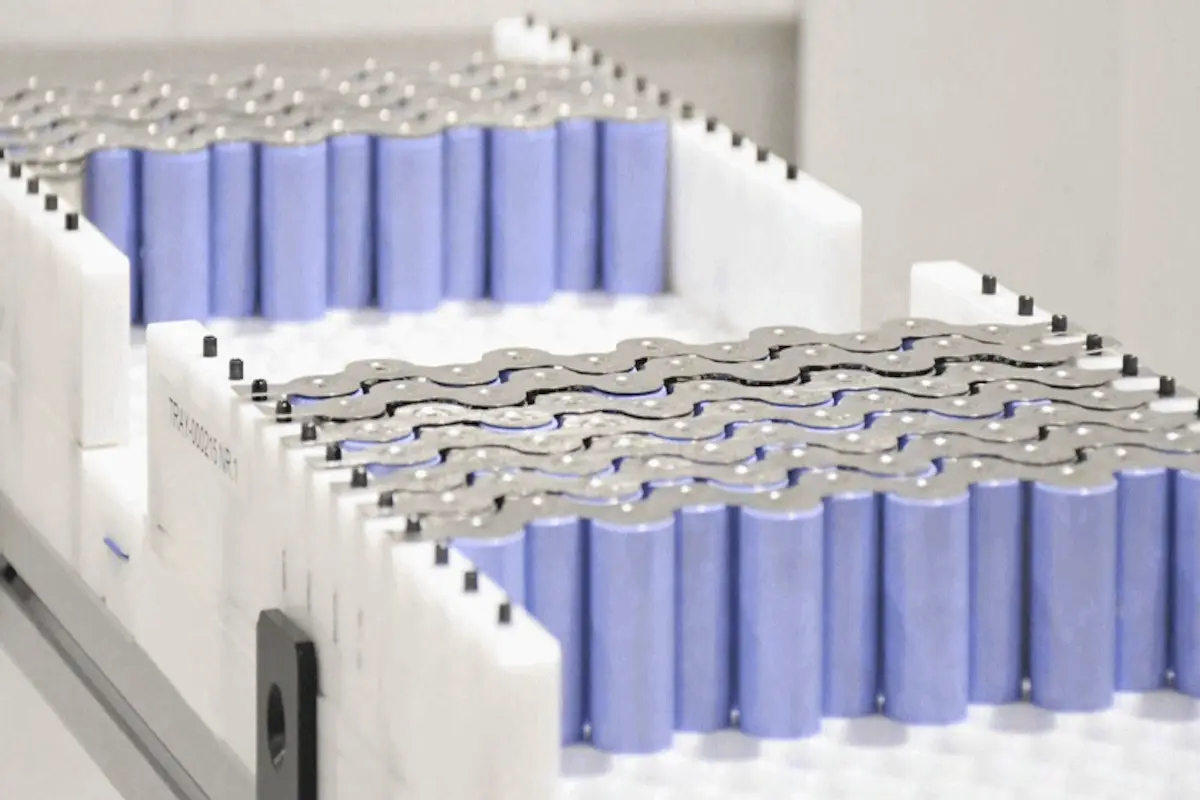
Even if your battery physically survives testing, it must pass a post-mortem inspection. This is where UN 38.3 proves to be significantly stricter than its IEC counterpart.
Evaluating a “Rupture”:
Evaluating an “Explosion”:
| Parameter / Profile | IEC 62281 Standard Details | UN 38.3 Standard Details |
|---|---|---|
| T-1 to T-5 Cascade | Sequential testing on a single sample pool. | Sequential testing on a single sample pool. |
| T-5 Thermocouple | Must attach directly to external casing. | Flexible placement on case or internal cell node. |
| T-6 Tooling Spec | Compressed broadly between "two flat surfaces". | Crucial surface area checks to prevent edge-piercing. |
| P-1 Packaging Test | Mandated 1.2m drop test onto concrete. | Completely excluded from the standalone cascade. |
| Rupture Assessment | Triggered by active, "forcible" jet streams. | Triggered by "increased visibility of components" |
If you are manufacturing, shipping, or certifying lithium cells and batteries, navigating the regulatory landscape can feel like hitting a moving target. Two of the most prominent frameworks governing battery transport safety are IEC 62281 and UN 38.3. While these two standards overlap heavily, understanding their structural divergences is critical for successful market entry.Resonate provides thermal vacuum testing in the UK and Ireland for satellites, CubeSats, payloads, and mission-critical space hardware. Our advanced thermal vacuum chamber simulates vacuum and extreme temperatures during space operations. It helps customers qualify hardware to mission, customer, and NASA requirements.
From thermal vacuum cycling tests and operational TVAC testing to bakeout and contamination assessment, we support complete environmental verification programmes from concept through qualification and acceptance.
For customers requiring a complete space hardware testing campaign, thermal vacuum testing can be combined with Vibration Testing, Shock Testing and broader Environmental Testing services through a single engineering team.
Resonate testing provides high quality fire, mechanical, and environmental test solutions and certification services across a wide range of industrial sectors. From Primes to SME’s, Resonate Testing provides a bespoke and tailored service to our clients.
Resonate testing provides high quality fire, mechanical, and environmental test solutions and certification services across a wide range of industrial sectors. From Primes to SME’s, Resonate Testing provides a bespoke and tailored service to our clients.
Use the contact route to share the requirement, test profile, drawings or specification for review.
Whether you’re looking to contact us for the first time or have another testing requirement, we’d love to hear from you.